FAMILY
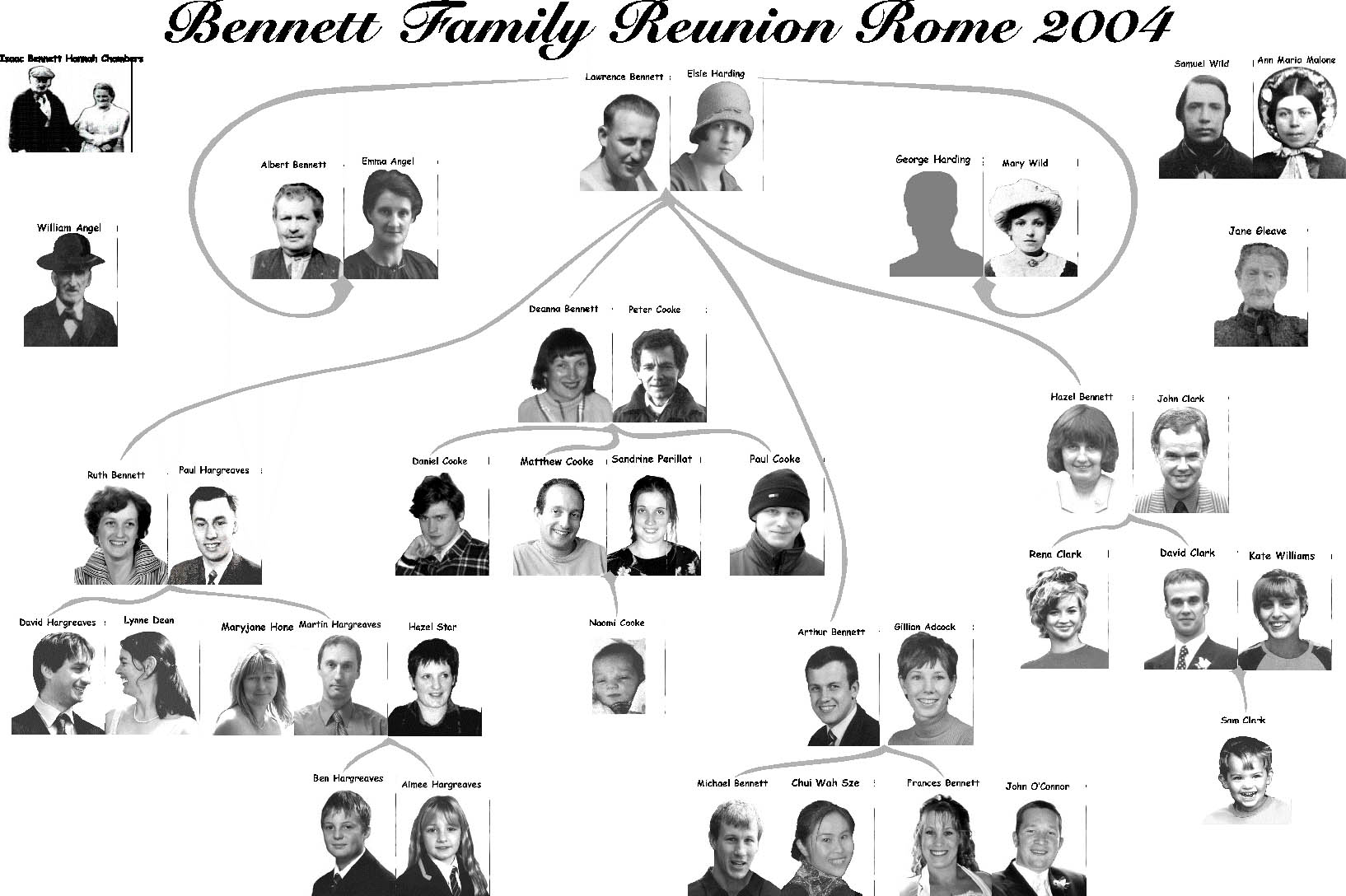
The following poems all relate to my family in some way. Memory is of course selective and memory can also play us false. My sisters' memories of my parents are not necessarily the same as mine.
The Hawke’s Bay Earthquake 1931
6. The 1931 Hawke’s Bay earthquake - Historic earthquakes - Te Ara Encyclopedia of New Zealand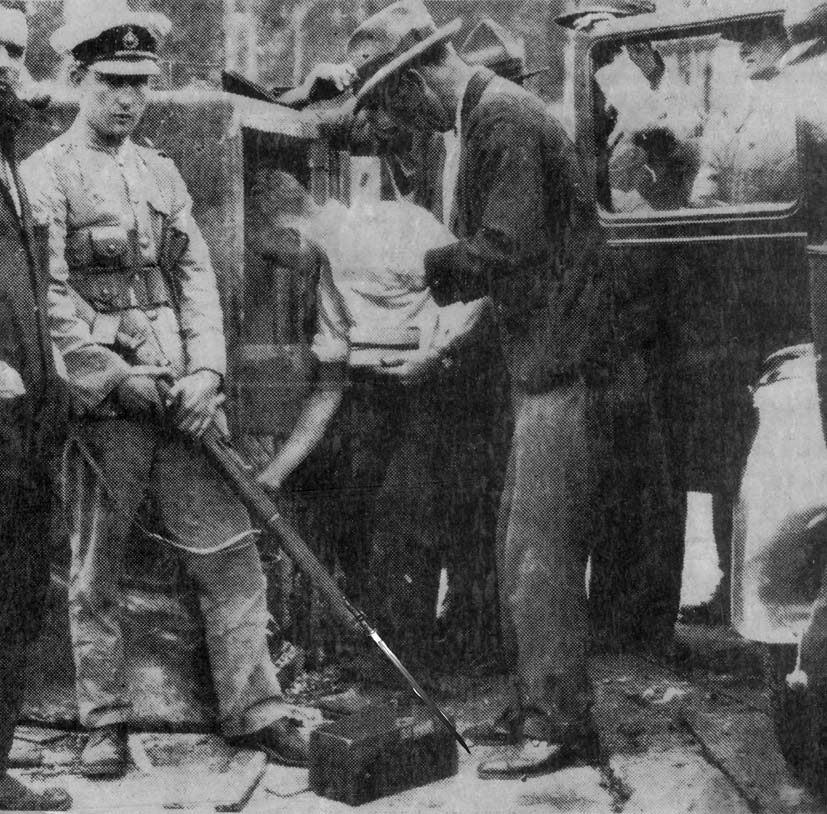
My father kept a bayonet in the shed,
Good for kindling and chopping chickens dead.
It had a ring to fit his Lee Enfield 303
And a groove to let the channeled blood flow free.
I have a yellowed newspaper clipping
Of the bayonet in use, not ripping
Some poor Nip in Burma chin to chine,
Nor disemboweling the Hun, the Nazi swine.
No, the paper was the Napier Telegraph
Of nineteen hundred and thirty one, and a half,
For the year had already begun,
And there’s my dad with the bayonet on his gun.
He was the smartest, fresh faced lad you’ve ever seen,
His Majesty, King George the Sixth’s Royal Marine.
Stationed on the good ship Diomede,
To serve his country’s colony in its hour of need.
They were in their berths in the Auckland docks,
When the earth started those annoying rocks.
Like croutons on a bowl of soup,
The tectonic plates did loop de loop.
Full steam ahead and line astern,
Diomede and Dunedin had to earn
The reputation of the Royal Navy.
The Veronica might have the lion’s meat,
But they would get there for the gravy.
The morse code messages spoke of trouble,
All Napier reduced to rubble,
All sorts of salacious rumours,
Like nurses fleeing in their bloomers.
“Ah-ah!” my father thought, here’s a likely chance
For a brave young marine to find romance,
Perhaps to rescue a damsel in distress,
Or hopefully even out of dat dress.
But when the walls fell down, the vaults caved in
And only the safes stood proud above the ruin.
Roaming gangs of homeless looters
Saw the chance to be freebooters.
Look sharp lad and keep your target in focus.
Shoot to kill those skiving Kiwi jokers.
Anyone gives you minimum grief or maxi,
Shove your bayonet up his jacksie.
So in the famous Hawkes Bay quake
With a chance for redivision of the cake,
What did my father do in Aotearoa.
He kept the rich buggers rich and the poor buggers poor.
The Lady in the Locket
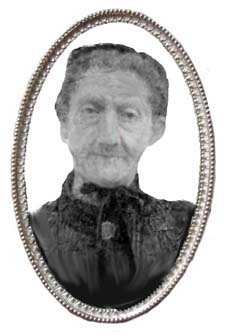
The lady in the locket is very old and very grim.
Not a lover’s trinket, not a wartime wife.
Only a daughter would have worn such a memento
Of her mother’s careworn face.
Her thin grey hair is mob-capped or bonneted.
Her dress is a high-necked, prim and proper widow’s weed.
Was such long-sleeved black bombazine ever washed?
Or was it starched with guilty sweat and secret stains?
Yet this old woman caught by the advent of the camera
Is my great, great, great, great grandmother.
I assume a rapid generation turnaround
And the fecundity of the working classes
To replace the attrition of accidents
At the mill, down the mine or in the trenches.
Before she was buttoned up in black;
Before her wrung hands were washerwoman red,
There was perhaps a brief quickening of the blood,
A sudden flush of beauty, a ripeness of form,
A transient bloom of peach and strawberry skin.
I doubt she spoke verse or played a harpsichord,
But maybe she ran bare-legged in the meadow;
Perhaps she was a dark and handsome hussy.
But then again maybe she simply crawled
Out from under the cotton looms,
Out of the deafening bang of the flying shuttle,
Out of the lint and dust she breathed
As she tied the broken threads with childish fingers.
Crawled into a candle-lit marriage bed
Where sex was a means to procreation,
The source of unwanted pregnancies,
More mouths to feed, more lines engrained
On that grim, locked, lady's face.
Desert Rat
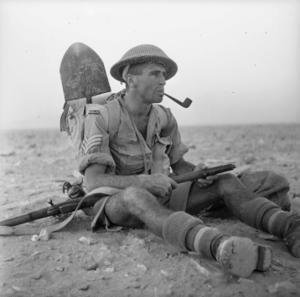
My father-in-law was a Desert Rat.
He wrote home to his wife in Blighty
From Cairo, El Alamein or Tripoli,
But you wouldn’t have known
He was somewhere in Africa,
That he had sand under his foreskin,
Or a touch of Dehli Belly,
Or that he heated his billy over a square British petrol can
With the top cut off and filled with sand and petrol.
The German Jerry-cans were the only ones you used
To actually store the petrol in.
From his letters home he could have been in Brighton,
Bognor Regis, a barracks in Fulham
Or a training camp in Aldershaw.
“Dear Mog, I trust this finds you well.
I am fine. I hope you are too.
This is just to wish you all the best,
Chin up, keep smiling, see you soon.
Give my regards to your mother. “
He didn’t say, ”I dream each night
Of the feel of your breasts and arse,
The smell of your skin and hair,”
He didn’t write, “Last week my best mate John
Was disemboweled by a German shell.”
Or “Mog, I am scared I am going to die.”
Or “The fucking padre says we should pray to God.”
The censor would have erased all such facts
As bad for the morale of the men.
A bit of honest eroticism
Might have made the black pencil hover momentarily
Before it expunged such lewdness,
But it was never necessary,
For British chaps never wrote such stuff.
Last night my father-in-law who is eighty-six,
Both frail and irascible with diabetes,
Phoned to wish his daughter Happy Birthday.
“This is just to wish you all the best.
Did you get the money order we sent?
We’re both fine. How are you?
The weather’s hot here. I suppose it must be
Cold over there in New-Zealand.
Give my regards to your husband. Bye.”
He did not say that he was pissed off
With injecting himself in the belly everyday.
That they don’t get outside much anymore.
That Mog has a troublesome heart condition.
That the bloody doctors don’t have a cure for old age.
That they are both petrified to be the one that’s left.
Breathless
Alpha-1 antitrypsin deficiency: MedlinePlus Medical Encyclopedia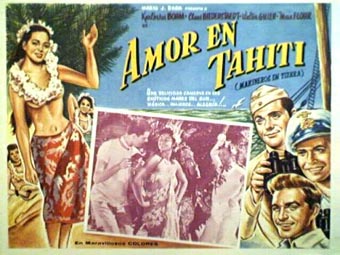
At my father's bedside
He told me South Sea tales
Of coral atolls and blue lagoons.
He did not mention dusky maids,
But doubtless they were there
To my mother’s chagrin
Gauguinesque with an hibiscus
Behind each ear.
At Bora Bora he exhaled
And jumped over the ship’s side
To plumb the azure depths.
He looked up in dismay
To see with empty lungs
The ship’s keel far overhead
And swam desperately for the surface.
Oh foolish father to have risked your life
When I was not yet conceived.
I had nightmares about the near escapes
Of all my foolhardy ancestors.
This lean, sun-bronzed young marine
In his younger South Sea days
Was not the father I actually knew.
When I matured into recognition
Of the world around me,
He was a steroid-bloated invalid
Who coughed and wheezed and spat.
My atoll was the sharp cutting coral
Of the bitter invective
Of the forsaken wife
Keeping the home fire burning
In a cold cheerless hearth
With a cot-dead daughter.
My lagoon was the puddle
On the rubber sheet on my narrow bed
Where I listened to the nightly slanging match.
Get up! Get dressed!
And I ran down the road
In bare feet to the pay phone.
The agony of a stutterer
In making a request so personal.
Please send an ambulance.
My father is having an attack.
Running home to find him
Hanging out of the window
Blue in the face and gasping for breath,
Swimming desperately for the surface.
My father lived and died
In breathless anticipation
Of a cure that never came.
Even at his last gasp
He never knew what killed him.
He was a guinea-pig for cortisone,
Riddled with magic bullets
That missed their elusive mark.
But now I know the enemy;
I can name his nemesis.
My latest blood-test shows I have
An inherited genetic disorder –
Alpha One Anti-Trypsin Deficiency!
Leading his oxygen-starved existence,
Would it have been a comfort
To have known that term?
I have run Marathons
And swum in South Sea lagoons,
But now I shall not dive again,
Nor go to the dark depths
Of my anaerobic childhood.
Namesake
The Death Railway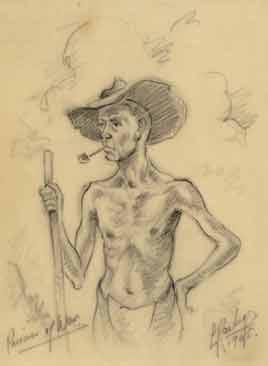
My uncle’s bones were straight and strong.
His youthful limbs have mouldered long
In a Thai cemetery.
My namesake uncle forever young.
His telltale bones have stayed unsung,
Desecrated, perhaps dismembered,
Lost and almost unremembered
In a war grave near Bangkok.
In nineteen hundred and forty four
When I was an unborn foetus,
Nameless nobody in my mother’s womb.
In nineteen hundred and forty four,
As a Japanese prisoner of war,
He was stabbed in the belly
With a dirty bayonet.
I was delivered, the baby cried
And in Burma Uncle Arthur died,
Another sleeper on the railway there.
No doubt on armistice day
They came and tagged his bones,
Bagged and dragged them all away
To a Thai cemetery
Where for sixty years he lay
Nameless nobody in a foreign tomb,
Buried with countless comrades,
The company of the likely lads.
I shall find my uncle’s grave
With name and rank and serial number.
I shall stand there and remember.
I shall speak his life and death.
I shall lay a solitary wreath,
For I have lived his life and loved his love,
I have achieved his little fame,
So I shall return to him his name.
The Minstrel Boy
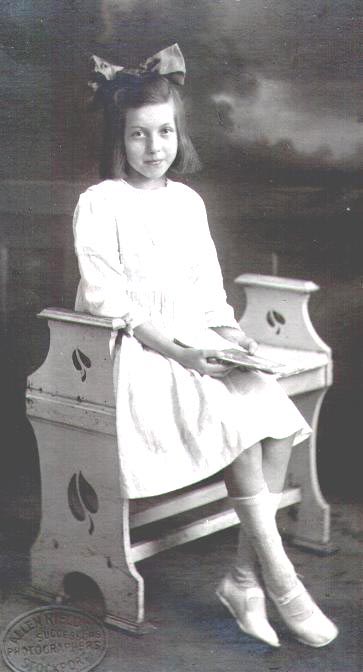
I have no memory of my mother
Because she never let you under her skin
To the grim, sad, enigmatic mind within.
She was forty when she gave birth to me,
Already private, permed and corseted.
She was fifty when I was ten
And watched her at the ironing-board.
She had lost her teeth to gum disease;
Frown lines framed her mouth;
Worry wrinkles etched her brow.
She did not nag or rant or rage
Or verbally abuse my stoical father
Until we kids were tucked up in bed
Covering our ears with the pillow.
The only time she dropped her guard
Was when we did the ironing,
A little lad tied to her apron string.
She taught me how to spit on the iron
To test the warmth of its steel heart,
To do shirt buttons from the back,
To do collars from the points inwards,
To press trousers with a damp cloth.
As she ironed, her brow uncreased,
Her mouth smiled and she sang.
Not the dashing, smoothing-iron,
But the maudlin melodies of Ireland,
Danny Boy and the Wearing of the Green.
The years fell from her in scales
As she sang the airs she learnt as a lass,
Youngest daughter of a family of ten.
I felt a pressing need to hug her then.
She died an early demented death,
Left me no diaries, no legacy.
My mind selectively deleted her,
Expunged the painful record,
Until I do the family ironing,
When memory washes over me.
I spit to test the heat of my heart
And quietly sing the Minstrel Boy,
Recapturing an ancient joy.
The Craven Heifer
The Craven Heifer was our local pub,
But how came the name? Aye there’s the rub!
I mean, who would want a yellow cow,
Some kind of conchie kine? But how
Could a bullock with no bollocks be
The emblem of our local hostelry?
Perhaps a case of misanalysis,
Just as the Elephant and Castle is.
Named for Henry’s Spanish bride,
“La Infanta de Castille”. They tried
to anglicize it all in vain,
or was it a deliberate slight of Spain?
Our own Craven Heifer derives you see
From some illustrious pedigree.
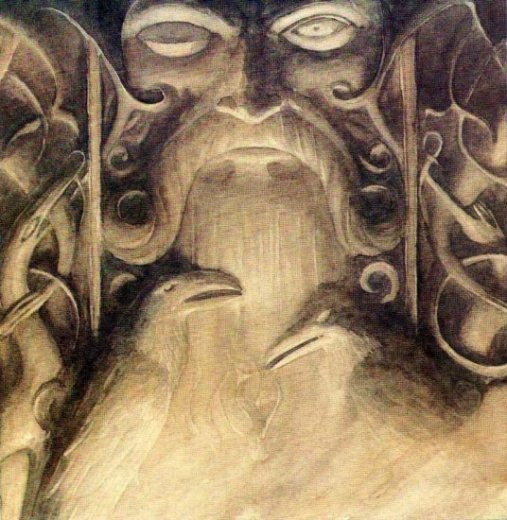
The black raven ever rules.
Stealer of dead men’s seeing jewels,
Odin’s messenger of Valhalla
Claiming souls of men of valour.
My father sat in the Craven Heifer
With the status of that sad old gaffer,
Playing dominoes no doubt
With a pint to last the evening out.
But when he drained the brimming bowl,
The raven came to claim his soul.
My Baby Daughter
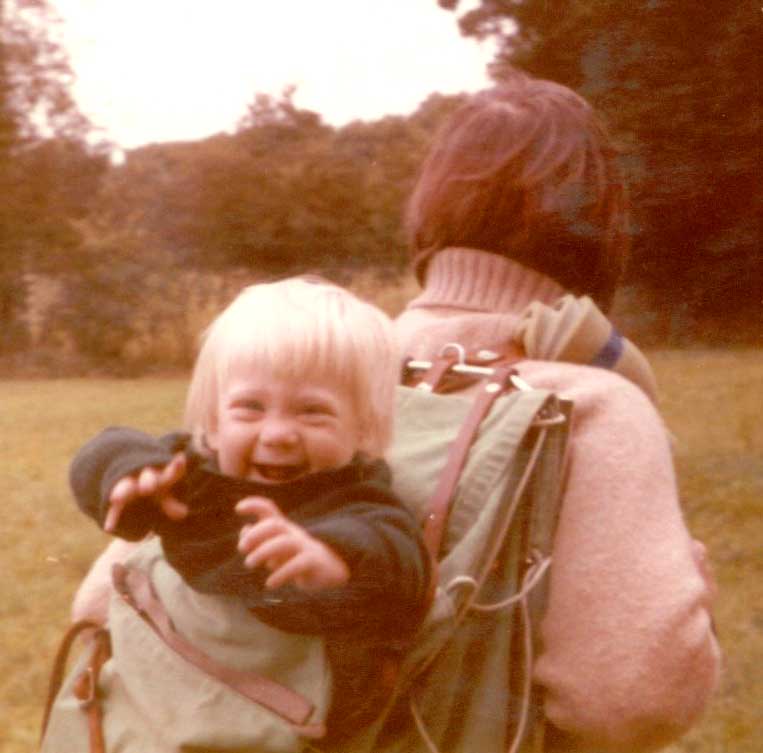
Little lady, wicked kid
dressed in orange organdie,
a-ba-boo my baby girl,
would you change your place with me?
Through the window of your skull
throbs a little purple vein,
the vellum of your tender skin
stretched across the pane.
I could snap your greenstick thighs
or crush your eggshell head,
or simply never heed your cries
and let you starve instead.
Oh sob and scream my little lass
and lie in wet and misery,
and then again sweetheart, I’ll ask,
Will you change your place with me?
Oh let your little body now
be wound upon the windy rack,
and colic crease your pretty brow
and arch your supple back.
Little lady, wicked kid,
dressed in orange organdie,
now dare defy your dad.
Won’t you change your place with me?
No, daughter, rest in peace,
frail and fragile little ball.
Talcum soothe your every crease
and dill your every squall.
I cannot harm a single hair
upon your downy head,
nor ignore the slightest peep
my little lady ever said.
But my precarious seed,
prey to hunger, thirst and pain,
despite your elemental need,
I’d gladly change with you again.
Sibling Reunion in Narni
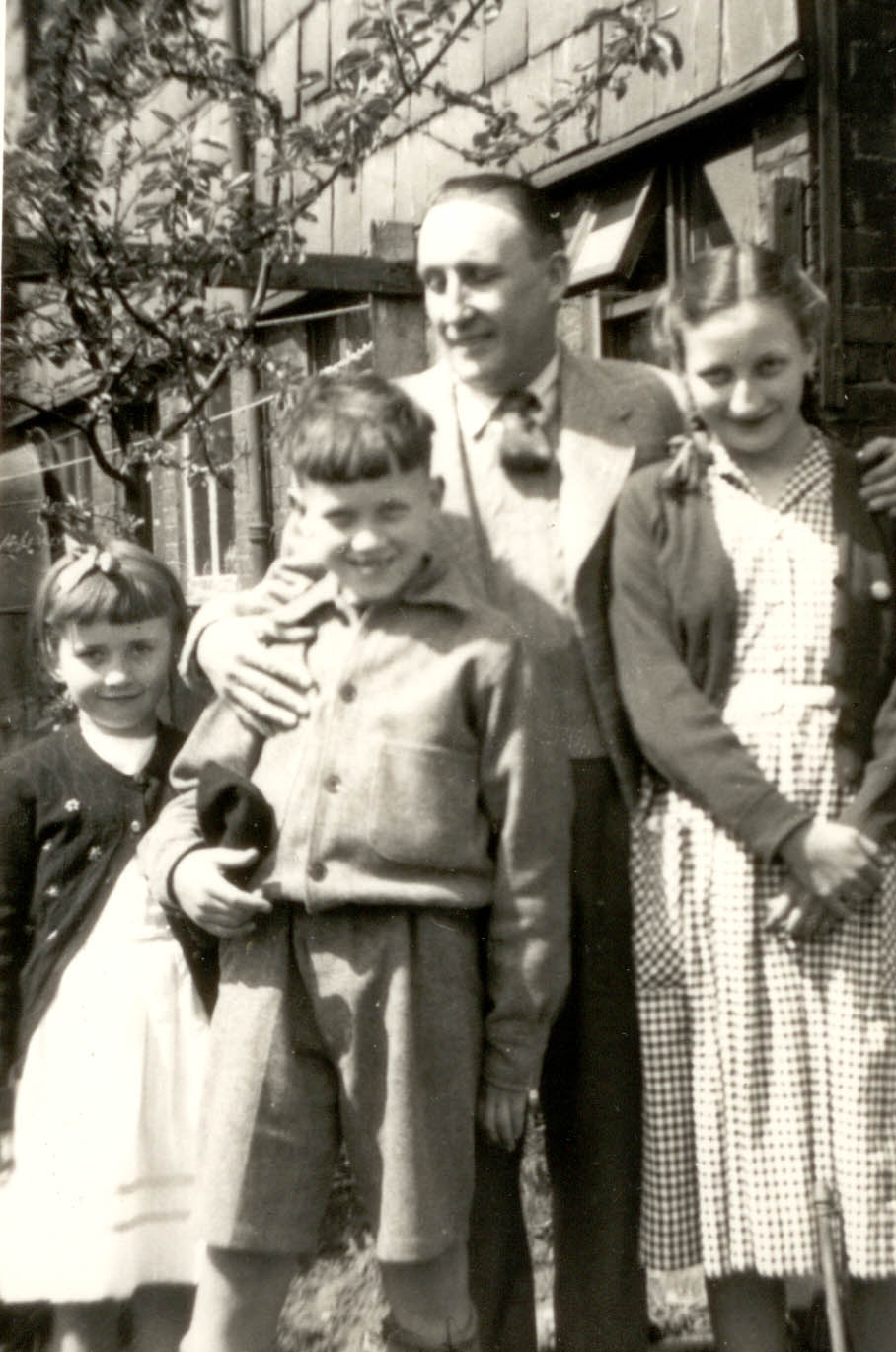
Their mother was a tormented soul
Who radiated doom and gloom.
She cooked and washed and sewed,
But never hugged her kids,
Never gave them bosom room,
Not the love that kids are owed.
They sought affection from their dad
To pat them fondly on the head
Or lay a proud paternal arm
Across their welcome shoulder.
Nothing tender ever spoken,
No caresses, nothing bolder.
And so Machiavellian
These kids conspired to claim
The lion’s share of notice.
The brother sought scholastic fame.
His way to shine at school,
But fathers love daughters best,
A basic human rule.
And so with redoubled zest
He applied himself and topped his class
In English, biology, art and French
But all to little avail alas,
For inwardly he had the sense
She stayed the apple of her father’s eye.
But she had no such confidence
And saw herself eclipsed and die.
She wilted in her brother’s shade.
And so the good girl card she played,
The most virtuous daughter,
Lolita immaculata,
Neat and tidy, well-behaved.
Her brother among the fallen,
And she one of the saved.
She was goodness, he was sin,
And whenever chance arose,
She dobbed her darling brother in.
When in a mood of good intent
He mixed sawdust with the chicken feed,
It was the sister who informed on him.
Who gave the incriminating lead.
When to learn electricity
He took the vacuum cleaner apart,
The sister smiled in silent glee
And plied Iago like her art.
When in a rare interlude
Of sibling harmony they ran
To play a game of hide and seek
In father’s Royal Mail postal van,
Unluckily they slammed the door
With Her Majesty’s undelivered mail
And the only van key on the floor.
All hell broke loose, a hue and cry.
The brother alone stood accused
While sister opened wide blue eye.
Such a good girl, the favoured one
And surely a father could never love
Such a wicked naughty son.
So the brother mortified
Swotted, burnt the midnight oil,
Won art and prose and poetry prize,
Became academic dux of school
To prove he was the perfect son
And prove his older sister fool.
But he never caught his father’s heart,
Never won or so he thought.
And the sister was despondent,
Relegated and dethroned,
Had forever lost her father’s heart,
Had lost the little love she owned,
Was cast out or so she thought.
To Gillian
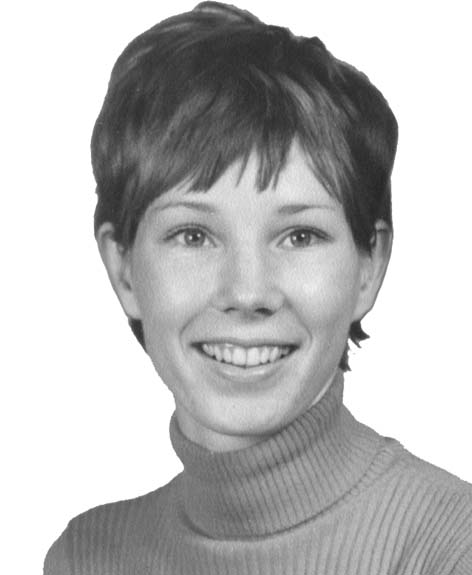
The muse of poetry is a miserable bitch
Inspiring masses of requiems
For unrequited love
And heaps of elegies to dead nightingales.
She has no great love for wives,
The very backbone of our lives.
We married for better or for worse.
Not for you the bitter verse.
Yet you have earned, deserved, are owed,
And so for you my wife this ode.
When first we met in our spring
You were the fairest flower in the meadow,
An orange marigold,
Slim and sensual and full of fire.
In the long hot days of summer
You were a radiant mother,
Golden haired my passioned lover.
And now in our lives’ late fall
My mirror shows you fairest of all,
A beauty now that’s full of grace.
But all lust fulfilled, all looks aside,
When you agreed to be my bride,
You were more than the sum of what I saw,
Much more than I had bargained for.
You are strong my love, honest and true,
A compass in my life to give direction
Arrow straight to you.
You have brought order to chaos,
Routine to happenstance.
You are the mistress of my house.
You are the Lady of the dance.
Yet still a fickle feeling woman,
Prone to anger, full of joy,
Grieving, grudging, loving and forgiving,
Hormonally driven
From matrimonial hell to heaven.
I would not have you otherwise.
I love you in your every guise.
You are logic and commonsense,
A woman of principle and pride.
You are my friend in dark places,
My comrade in arms.
You are my talisman,
A woman of charms.
You have walked with me through life,
My own true love, my wife.
Maia
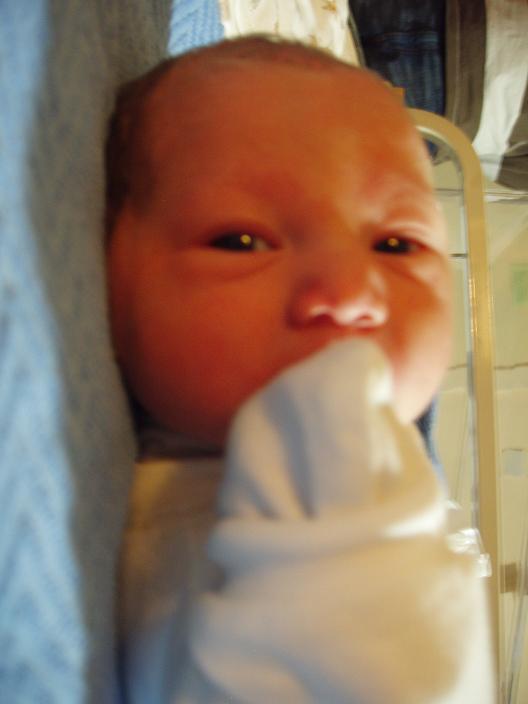
It is a pheasant cluck, mock orange morning.
The chicks in the poultry yard creep out
From under the warmth of mother’s skirts,
Squeeze like truants under the gate
To forage far and wide on dew wet lawns.
They have not yet met
The yellow-eyed feral cat
Frozen still in ambush range
Despite the itch of fleas and mange.
They have not been taught in school
The history of the avian holocaust,
The Bastille of battery hens,
The Gulag of broiler fowl,
The Ausschwitz of chicken abattoir.
For each chick this is the radiant dawn
Of each amazing new day
In the brave new world
Of their single endless summer.
The phone jangles
In the coffee aroma kitchen
Where yellow yoked eggs
Snuggle in Delftware cups
By butter curl toast
And pinch of fresh ground pepper-salt.
My daughter in Ireland
Announces the birth of Maia,
The Maori word for courage,
My first granddaughter.
The cock pheasant barks
From the shrubbery.
The air is heavy with the heady scent
Of orange blossom.
Dragon's Egg
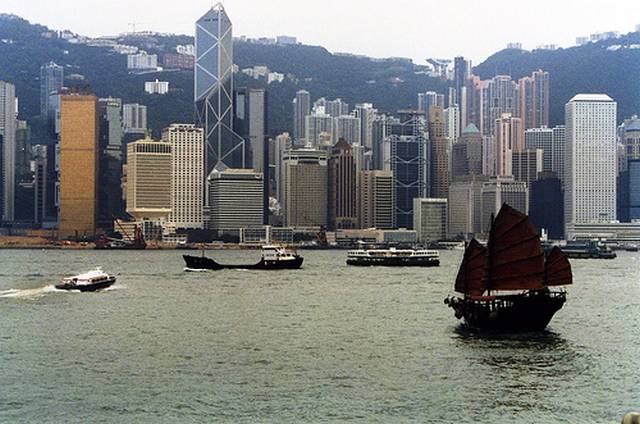
In Hong Kong harbour
In the amniotic South China Sea,
Sampans and junks still rock in the wash
Of tankers and container ships.
East meets West where the waters
Of two vast genepools overlap.
My Chinese daughter-in-law
Has on her wrist not the golden dragon
Nor the anchor and the rose,
But concentric circles of Atlantis
Pierced by a whiplike thorn.
China, the dormant dragon’s egg
Is undergoing convulsive change.
The blood spot that is Hong Kong
Is the penetration scar
Where the motile Western sperm
Cast off its tail in Kowloon Harbour
And burrowed into the nucleus of China.
On the table are porcelain bowls,
Cell phones and DVD remotes.
We are using them to demonstrate
Alleles and dominance
To Bartek , the expatriate Pole
and Lisa, his Cantonese wife,
To postulate why their baby son
Has his mother’s slanted eyes
And his father’s palish skin.
From the vascular nexus of Hong Kong
An arterial network spreads across the yolk.
We feel the first faint beating of the dragon’s heart
And see the egg tooth that will break the shell.
Grandfather Granddaughter
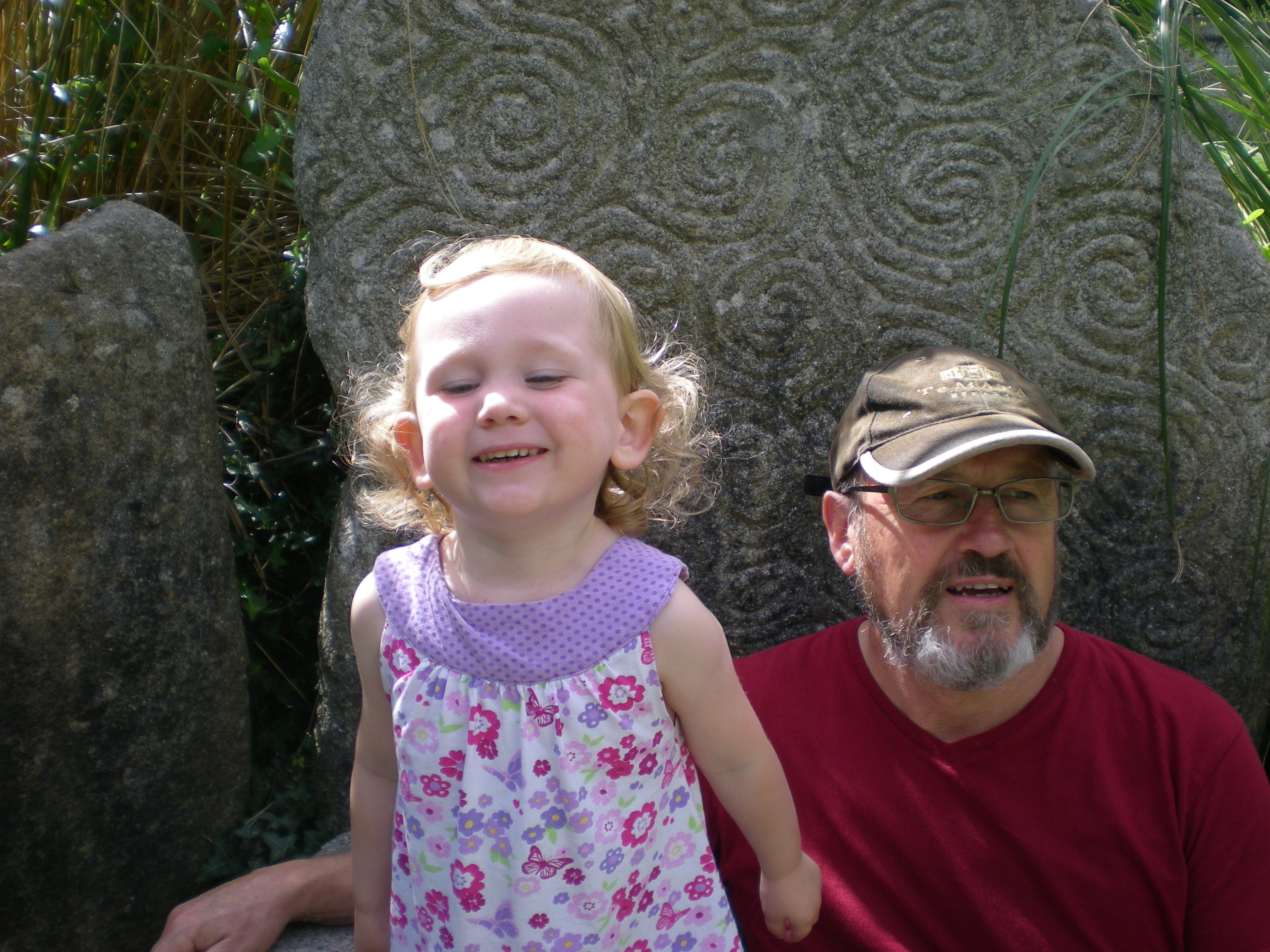
My granddaughter is just a baby,
Much like any other maybe.
Retrousse nose, rosebud mouth,
Bald as an egg, soft as butter;
A little pink mammal -
Sans hair, sans teeth, sans talk,
Sans table manners, sans walk.
Now I see her frown and smile,
Totter bipedally
From knee to friendly knee.
Success is putting one foot before the other.
Although strangers in supermarkets
Remark what a funny little boy she is,
There is a definite femininity
In the way she manipulates
Her grandfather.
You know that dumpy
Old woman at the busstop,
The one with varicose veins
And hair with the lilac perm?
The old fellah with paper skin,
Stooped and bald,
Still wearing a tie,
Regimental stripes and gravy stains?
Of course you know them,
The generic old person
We all become.
Success is putting one foot before the other.
I try at least to be idiosyncratic,
My hair in a ponytail,
My tie of Van Gogh’s sunflowers.
(Did I really say “tie”?)
I try to convert Jehovah’s Witnesses
To atheism.
I am rude and arrogant
At the bridge table.
My granddaughter
Is a personality,
An opening flower,
A burgeoning intelligence.
I am a little grey old man.
Next